Understanding Electric Radiators
Electric radiators have gained significant popularity in recent years, becoming a preferred heating solution for many households. These systems not only offer efficient heating but also come with advanced features that align with modern energy-saving demands. From smart controls to various designs, understanding electric radiators is essential for anyone looking to upgrade their heating system. When exploring options, Electric Radiator models like those from CIARRA provide comprehensive insights into the latest innovations in home heating.
What is an Electric Radiator?
An electric radiator is a heating appliance that operates using electricity to produce heat. Unlike traditional radiators that rely on hot water from a boiler, electric radiators generate heat directly through electrical resistance. This allows for rapid temperature changes and can be an efficient way to warm a space. With varying designs and heating technologies, electric radiators can be adapted to different environments and user preferences.
How Electric Radiators Work
Electric radiators typically function by converting electrical energy into heat through heating elements. These elements can include ceramic, aluminum, or a combination of both. When the radiator is turned on, electricity flows through the heating element, causing it to warm up. The heat is then distributed into the surrounding air through convection or radiation. This method allows electric radiators to provide consistent and controlled warmth to any room.
Benefits of Using Electric Radiators
- Energy Efficiency: Many modern electric radiators are designed to be energy-efficient, minimizing electricity consumption while maximizing heat output.
- Quick Heating: Electric radiators heat up quickly, making them ideal for spaces where immediate warmth is needed.
- Low Maintenance: Unlike traditional heating systems, electric radiators have fewer moving parts and require minimal maintenance.
- Smart Features: Many electric radiators now come equipped with smart technology, enabling users to control their heating remotely via smartphone apps or voice commands.
Types of Electric Radiators
Convector vs. Storage Electric Radiators
Electric radiators can generally be categorized into two main types: convector and storage radiators. Convector electric radiators operate by heating air directly and circulating it within the room. They are great for quickly warming up spaces but may not retain heat once turned off. In contrast, storage electric radiators are designed to absorb and store heat, releasing it gradually for longer-lasting warmth. This characteristic makes them suitable for use in homes during off-peak electricity hours, potentially reducing energy costs.
Ceramic vs. Aluminium Heating Elements
The choice between ceramic and aluminum heating elements influences both the performance and efficiency of electric radiators. Ceramic elements provide gentle, steady heat and are often seen in models designed for prolonged use. Aluminium elements, on the other hand, can heat up and cool down faster, thus offering rapid temperature adjustments. Some advanced models, such as the CIARRA dual-core heaters, utilize a combination of both, aiming to provide the benefits of each material.
Choosing Between Wall-Mounted and Freestanding Models
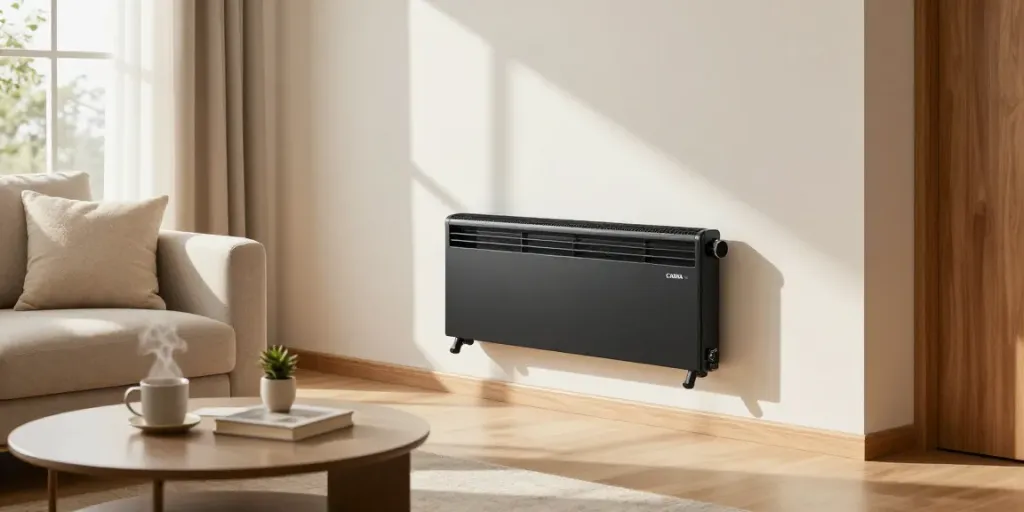
When selecting an electric radiator, consider the space available and your heating needs. Wall-mounted models are perfect for maximizing floor space and can blend seamlessly with interior decor, while freestanding models offer versatility and ease of relocation. Depending on the room layout and personal preferences, one option may suit your needs better than the other.
Energy Efficiency and Costs
Are Electric Radiators Energy Efficient?
Electric radiators have the potential to be highly energy-efficient, especially with models that offer programmable features and smart technology. By allowing users to set schedules and control heating remotely, these appliances can optimize energy usage and reduce monthly utility bills. Additionally, many electric radiator models are rated for energy efficiency, making them a sustainable heating choice.
Calculating the Operating Costs of Electric Radiators
The operating costs of electric radiators depend on several factors, including wattage, usage hours, and local energy rates. For instance, a typical 2000W radiator used for 5 hours a day would consume approximately 10 kWh, translating to a cost based on your local electricity rate. By understanding these figures, you can create a budget for heating your home.
How to Optimize Heating with Smart Controls
Many electric radiators come with smart features that allow for optimized energy consumption. Utilizing scheduling functions and remote control capabilities via mobile apps can significantly reduce consumption. For example, setting the radiator to operate primarily during off-peak hours when electricity rates are lower can lead to substantial savings.
Safety Features of Electric Radiators
Are Electric Radiators Safe for Overnight Use?
Safety is a paramount concern for homeowners when it comes to electric heating. Most modern electric radiators are designed with multiple safety features, such as overheating protection and tip-over switches, making them safe for overnight use. However, it's essential to follow manufacturer guidelines regarding placement and usage to minimize risks further.
Understanding IP Ratings for Bathroom Safety
Bathrooms pose unique challenges for electric heating devices due to moisture and water presence. Electric radiators are often classified by an Ingress Protection (IP) rating, which indicates their resistance to water and dust. For instance, an IP24 rating signifies that the radiator is safe to use in bathrooms, as it can withstand water splashes from any direction.
Common Misconceptions About Electric Radiator Safety
Despite advances in technology, myths about the safety of electric radiators persist. Many people believe electric radiators pose a fire hazard or that they can be dangerous to leave on overnight. In reality, when used correctly and with appropriate safety features, electric radiators can be both safe and efficient heating solutions.
Future Trends in Electric Radiators
Innovative Features to Expect in 2026
As technology continues to evolve, so do electric radiators. In 2026, we can expect to see more sophisticated models that integrate with smart home systems, allowing for enhanced control and energy management. Features such as adaptive heating, which adjusts output based on the room's occupancy, are likely to be more commonplace.
The Role of Smart Home Integration
Smart home integration represents a significant trend in electric radiators for the future. As more households adopt smart home technology, electric radiators will increasingly offer compatibility with platforms like Amazon Alexa and Google Home, enabling voice control and seamless interaction with other smart devices.
Emerging Sustainable Technologies in Heating
With an increased focus on sustainability, manufacturers are investigating sustainable technologies to improve the eco-friendliness of electric radiators. This includes utilizing recyclable materials in production and incorporating energy-efficient features that help reduce carbon footprints, making electric heating a more sustainable option for future generations.