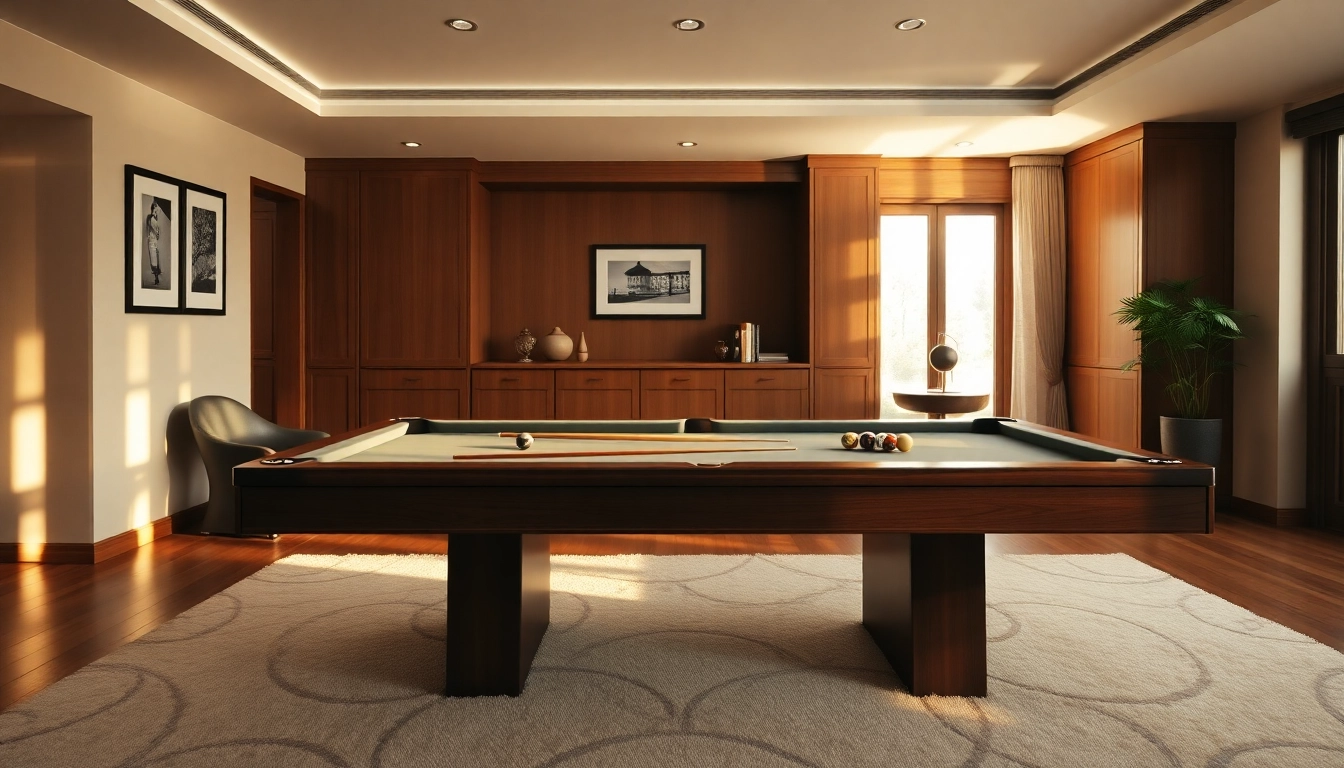
Understanding Pool Tables and Their Types
When considering the perfect addition to your game room, understanding pool tables and their types is essential. A high-quality pool table not only enhances your entertainment space but can also elevate your game. With a plethora of options available, players and enthusiasts alike often find themselves wondering which table best suits their needs and preferences. To navigate this journey, it’s crucial to explore the different types of pool tables, their key features, and the benefits of owning one. If you're ready to invest, you can start your search right now by exploring where to Buy Pool Tables that align with your style and space.
Types of Pool Tables for Sale
Pool tables come in several varieties, each catering to different play styles, preferences, and environments. Here are some of the most common types:
- Standard Pool Tables: Ideal for both recreational players and serious gamers, these tables come in various sizes, usually 7, 8, or 9 feet long. They suit standard billiards as well as games like Eight-ball and Nine-ball.
- Convertible Pool Tables: Designed for multifunctional use, these tables can transform into dining tables or other game types. They’re ideal for those with space limitations.
- Snooker Tables: These larger, often 12-foot tables feature smaller pockets and are used for the game of snooker. They have a unique charm and appeal for enthusiasts.
- Bar Pool Tables: Typically smaller (7-foot), these tables are commonly found in bars and are great for casual play.
- Commercial Pool Tables: Built to withstand heavy use, these are often found in bars or pool halls. They are designed with durability in mind.
Key Features to Look for When You Buy Pool Tables
When purchasing a pool table, consider the following features that significantly affect gameplay and overall satisfaction:
- Slate vs. MDF: Slate is the preferred surface material for professional play due to its durability and smoothness. Composite materials (MDF) are more affordable but may not provide the same level of playability.
- Construction Quality: Ensure the frame and legs are robust. Solid wood is preferred for stability and longevity.
- Pockets: Look for the type of pockets (diamond, corner, or side). The style influences gameplay and aesthetics.
- Size: Choose a size that fits your space and suits your playing style, whether casual or competitive.
Benefits of Owning a Pool Table
Investing in a pool table can offer numerous benefits:
- Entertainment: A pool table provides endless hours of fun, whether it’s family gatherings or friendly competitions with friends.
- Social Aspect: It serves as a focal point for social gatherings, encouraging interaction and engagement.
- Skill Development: Regular play improves hand-eye coordination, strategic thinking, and even mathematics through calculations of angles and trajectories.
- Home Value: A well-crafted pool table can enhance your home's value, especially if it’s an attractive centerpiece in your entertainment area.
Choosing the Right Size for Your Space
The pool table size is pivotal, both for gameplay and the overall aesthetic of your room. Selecting the wrong size could limit your space or detract from the enjoyment of the game. Here’s how to navigate this decision effectively.
Measuring Your Space for Pool Table Installation
Before purchasing, it’s essential to measure your space accurately. Typically, you’ll want at least 5 feet of clearance around the table to allow for cueing and movement. For example, a standard 8-foot table will require a room size of at least 14 feet by 18 feet to accommodate players comfortably.
Popular Pool Table Sizes Explained
The most common pool table sizes include:
- 7-foot tables: Often referred to as bar size, they are suitable for smaller rooms and casual play.
- 8-foot tables: The most popular choice for home use, offering a professional feel while fitting well in larger spaces.
- 9-foot tables: Preferred by competitive players, they require ample space and are designed for serious gameplay.
Common Mistakes to Avoid When Choosing Size
To ensure you select the right table size, avoid these common pitfalls:
- Underestimating Space: Always overestimate your room dimensions. It may look spacious, but consider furniture placement and movement.
- Ignoring Ceiling Height: Ensure that your ceiling height is adequate for cue stroke—at least 7 feet is recommended.
- Choosing Based on Price Alone: Don’t settle for a smaller table just because it’s cheaper; consider your playing style instead.
Best Materials for Quality Pool Tables
The material of your pool table plays a crucial role in its quality, longevity, and gameplay experience. Understanding the different materials will help you make an informed choice.
Understanding Slate vs. MDF and Other Materials
Two primary materials dominate the market for table surfaces:
- Slate: The gold standard, slate provides a perfectly flat surface, allowing for accurate gameplay. It’s heavy, durable, and offers the best longevity.
- MDF: Medium Density Fiberboard is lighter and often less expensive, making it an approachable choice for recreational tables, but it lacks the playability quality of slate.
The Impact of Material on Gameplay
The playing surface material affects how the balls roll and react. Slate tables provide a smooth, even surface for competitive play, while MDF may have inconsistencies leading to unpredictable gameplay. If you’re serious about developing skills, investing in a slate table will pay off.
Caring for Different Table Materials
Maintaining your table's surface is crucial. For slate tables, regular cleaning with a damp cloth and occasionally waxing the surface can preserve its longevity. MDF tables require more cautious handling, as they are susceptible to moisture damage. Keeping humidity levels stable can prolong their life.
Where to Buy Pool Tables Safely Online
Purchasing a pool table online requires caution to ensure you receive a quality product. Here's how to navigate buying safely.
Reputable Online Retailers for Quality Tables
To ensure you’re buying from a reliable source, research online retailers with strong customer reviews and established reputations in the billiard community. Look for vendors that offer return policies and warranties for added security.
Understanding Shipping and Installation Services
Shipping a pool table can be a significant logistical task due to its size and weight. Make sure the retailer provides clear shipping terms, including the option for professional assembly, which is recommended for heavier slate tables to avoid damage during setup.
Reading Customer Reviews Before You Buy Pool Tables
Customer reviews can provide insight into the quality and durability of the table you’re considering. Look out for reviews discussing player experience, material quality, and post-purchase support from the retailer.
Maintaining Your Pool Table for Longevity
Owning a pool table comes with the responsibility of maintaining it to ensure it lasts for years to come. Here’s how to keep your investment in top condition.
Regular Maintenance Tips to Follow
Consistent upkeep is essential. Regularly check the felt for snags or tears, avoid direct sunlight to prevent fading, and ensure the table is leveled correctly using a carpenter's level.
How to Clean and Care for Your Pool Table
For felt, use a soft brush or felt brush to remove dust and chalk buildup between games. Occasionally, consider a professional steam clean to rejuvenate the felt. For the wooden parts, use a slightly damp microfiber cloth to wipe and a suitable wood polish occasionally.
When to Call a Professional for Repairs
If you notice uneven playing surfaces, persistent surface damage, or pocket issues, it’s time to call in a professional. Handling complex repairs yourself can lead to further damage, so it’s best left to the experts.
Frequently Asked Questions (FAQs)
Should I buy a 7 or 8 foot pool table?
Choosing between 7 and 8-foot tables usually depends on your available space. 8-foot tables provide a more professional experience, while 7-foot tables are better for smaller rooms.
How much should I expect to spend on a good pool table?
The price can vary widely based on quality and size, typically ranging from $1,000 to over $3,000 for a solid table. Always consider material and brand reputation when budgeting.
What type of maintenance does a pool table require?
Regularly clean the felt, check for levelness, and ensure pockets are in good condition. Protect the surface from sunlight and moisture to prolong its life.
How long does a pool table last?
With proper care, a high-quality pool table can last 20 years or more. Slate tables generally have a longer lifespan compared to MDF tables.
Do I need professional assembly for my pool table?
It’s highly recommended to have a professional assemble your pool table, especially slate models. They require careful handling and precise leveling for optimal play.