Understanding Equipment Hailing
What is Equipment Hailing?
Equipment hailing refers to the process of procuring and managing the transportation of heavy machinery and various types of equipment used in construction, logistics, and other industrial sectors. This process involves strategically selecting appropriate transportation methods, securing permits, and ensuring compliance with regulations to efficiently move equipment from one location to another. The term encompasses a variety of practices, including booking transport services, coordinating loading and unloading procedures, and optimizing routes for effective delivery.
Importance in Construction and Logistics
In industries that heavily rely on machinery, such as construction and logistics, effective equipment hailing is vital. It not only ensures the timely availability of necessary equipment at job sites but also contributes to overall operational efficiency and project timelines. Delays caused by improper transport can result in significant financial losses and project overruns. Understanding local regulations, equipment handling requirements, and the logistics of transport methods are crucial for mitigating risks associated with equipment transport.
Common Equipment Hailing Techniques
Successful equipment hailing involves various techniques aimed at optimizing the transport process. Some common techniques include:
- Load Planning: Analyzing load specifications to select suitable transport options, ensuring that equipment can be safely and efficiently loaded and unloaded.
- Route Optimization: Using mapping tools and logistics software to determine the most efficient routes, taking into account weight restrictions, road conditions, and legal permits.
- Tracking Systems: Implementing tracking solutions for real-time updates on equipment status and location, minimizing uncertainties during transport.
Choosing the Right Equipment for Hailing
Factors to Consider When Selecting Equipment
When engaging in equipment hailing, several factors should steer the selection of transport equipment:
- Size and Weight: Knowing the exact dimensions and weight of the equipment is vital for selecting appropriate transport vehicles and ensuring compliance with weight regulations.
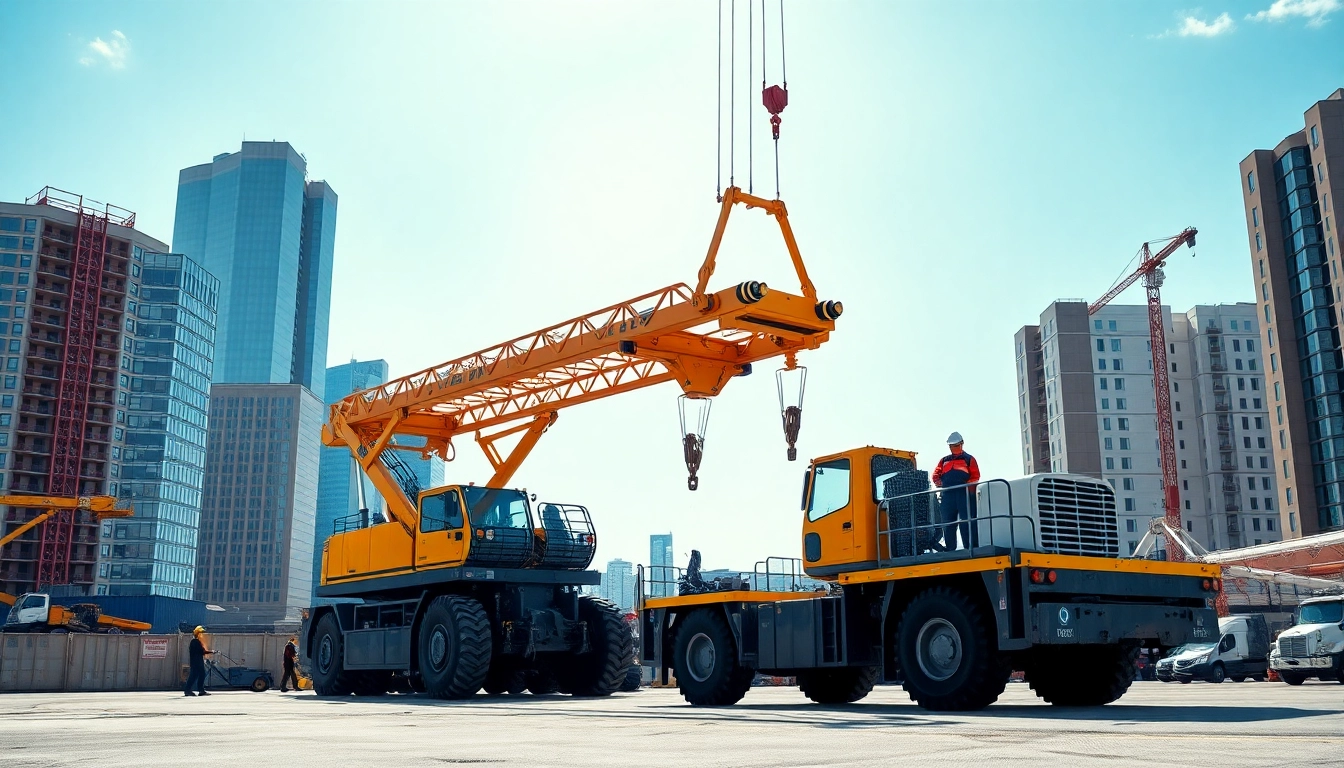
- Type of Equipment: Different types of equipment require different handling and transport methods. For example, heavy machinery like cranes will necessitate specialized trailers.
- Distance: The nature of the haul—whether local or cross-country—also influences the choice of equipment and transport methods.
Popular Equipment Types for Hailing
A variety of equipment is commonly used in hailing, including:
- Flatbed Trailers: Ideal for transporting heavy and oversized equipment, providing flexibility for various loading and unloading scenarios.
- Lowboy Trailers: Specifically designed for hauling tall or heavy loads, ensuring legal height compliance on roads.
- Drop Deck Trailers: Their design allows more clearance for cargo, making them suitable for taller machinery.
Cost Implications of Different Equipment Options
The cost associated with equipment hailing can vary significantly based on the choice of transport method and the equipment being transported. Generally, factors influencing this cost include:
- Distance: Short local hauls are typically cheaper than long-distance transports.
- Specialized Equipment: If specific handling or transport equipment is required, this will increase overall costs.
- Insurance and Permits: Additional fees for necessary permits and insurance add to hailing costs.
Safety Considerations in Equipment Hailing
Safety Protocols for Operators
Implementing strict safety protocols is essential to prevent accidents and injuries during equipment hailing. Operators should be trained to follow established safety measures, including proper loading techniques, secure strapping of loads, and adherence to weight specifications to maintain vehicle stability.
Environmental Factors that Affect Safety
Environmental conditions, such as weather and road conditions, can significantly impact the safety of equipment hailing. Operators must be trained to adapt to various factors, including:
- Visibility Issues: Poor weather conditions can necessitate altered driving techniques or haul delays.
- Road Conditions: Uneven or damaged roads may affect the load's stability and the transport vehicle's handling.
Training Requirements for Safe Equipment Hailing
All personnel involved in equipment hailing should undergo comprehensive training to cover all aspects of transport safety, including handling procedures, emergency protocols, and regulatory compliance. Regular refresher courses can help maintain high safety standards and reduce the risk of accidents.
Maximizing Efficiency in Equipment Hailing
Scheduling and Planning Hails
Effective scheduling and planning play crucial roles in maximizing hailing efficiency. This can be achieved through:
- Pre-Hail Assessment: Evaluate all equipment to determine the appropriate hailing schedule.
- Geographical Considerations: Consider traffic patterns, roadwork, or construction zones that might affect planned routes.
- Logistical Coordination: Coordinate the timing of haul loads with the availability of transport vehicles to avoid downtime.
Technology and Innovations in Hailing
Advancements in technology are transforming equipment hailing practices. Notable innovations include:
- GPS Tracking: Real-time tracking enhances transparency and enables proactive responses to issues during transport.
- Logistics Software: Sophisticated programs can help manage scheduling, route planning, and load assignments systematically.
Performance Metrics and Evaluation
Utilizing performance metrics is essential for evaluating the efficacy of equipment hailing processes. Key metrics include:
- On-Time Delivery Rates: Monitoring how often equipment is delivered according to schedule.
- Cost per Haul: Analyzing the expenses associated with each transport to identify opportunities for cost-saving.
- Incident Rates: Keeping track of safety incidents can highlight areas needing improvement in training or planning.
FAQs about Equipment Hailing
Common Costs of Equipment Hailing
Equipment hailing costs vary widely. Short local hauls can cost between $150 and $500, while long hauls often exceed $2,000, depending on distance, equipment type, and special requirements.
Career Opportunities in Equipment Hailing
Career opportunities in equipment hailing span roles such as logistics coordinators, safety managers, and heavy equipment operators. Each position plays a unique role in ensuring successful equipment transport.
Regulations Governing Equipment Hailing
Equipment hailing is subject to various federal and state regulations, including weight limits, permit requirements, and safety standards. It's crucial to stay informed about relevant regulations to avoid penalties.
Environmental Considerations in Hailing
Environmental factors such as fuel efficiency, emissions regulations, and road damage can influence the practices of equipment hailing. Adopting sustainable practices can benefit both operational efficiency and environmental compliance.
Future Trends in Equipment Hailing
The future of equipment hailing is likely to see heightened use of automation, increased reliance on data analytics for decision-making, and further innovations in eco-friendly transport solutions, significantly enhancing overall efficiency.
Contact Information
Call Us:4062607988Address: 3906 MT-40, Columbia Falls, MT 59912