Introduction to Giant Building Blocks
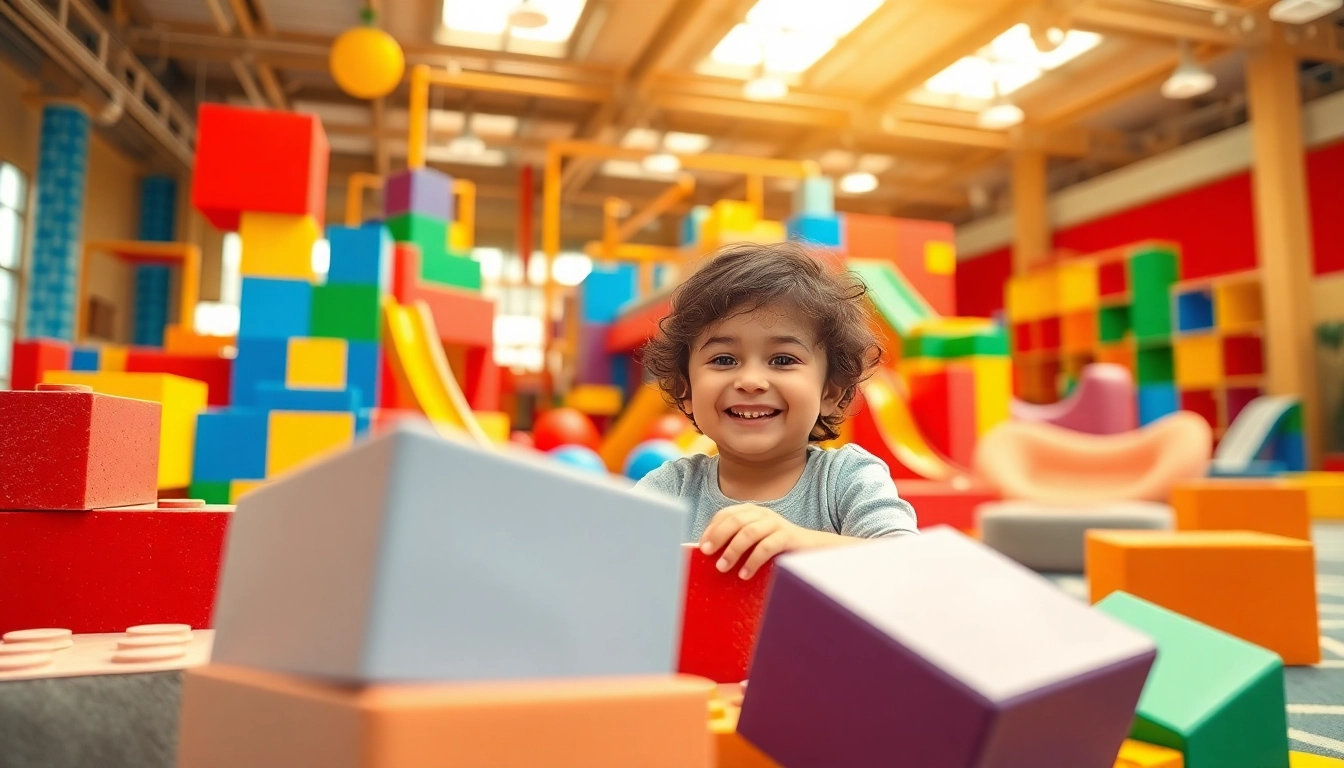
When it comes to nurturing creativity and physical development in children, few toys can match the impact of giant building blocks. These oversized, colorful blocks serve as a versatile platform for countless imaginative adventures, fostering originality, coordination, and social skills among young builders. Not only do they provide fun, but they also encourage learning through play—making them a staple in both homes and educational settings. To gain insight into how these blocks can benefit children, you can discover more about their various applications and developmental contributions.
Benefits of Play with Building Blocks
Building blocks have been a foundation of children's play for generations, offering more than just entertainment. They have profound benefits:
- Enhancing Physical Skills: Manipulating large blocks helps children develop fine motor skills and hand-eye coordination, leading to better control of their movements.
- Boosting Cognitive Development: As children experiment with shapes, sizes, and balances, they develop spatial reasoning and problem-solving skills.
- Fostering Social Interaction: Playing with blocks often involves teamwork and collaboration, teaching children to communicate, share, and negotiate roles.
- Encouraging Creativity: There are no rules when it comes to what children can build, allowing their imagination to soar as they construct towers, bridges, and even entire worlds.
How to Choose the Right Blocks
Selecting the ideal giant building blocks involves considering age appropriateness, size, material, and design:
- Age Appropriateness: Choose blocks that cater to the developmental stage of your child. For toddlers, larger blocks are safer and easier to manipulate, while older children may benefit from smaller, more complex pieces.
- Material: Safety is paramount. Opt for blocks made from non-toxic plastic or foam, ensuring they are lightweight yet durable.
- Design Features: Look for blocks with interlocking designs or various textures, which enhance creativity and versatility in building.
- Portability: Choose blocks that are easy to store and transport, allowing for flexibility in play locations, whether indoors or outdoors.
Safety Tips for Indoor Play
While giant building blocks can offer hours of fun, safety must remain a top priority. Consider these essential tips to ensure a safe play environment:
- Supervision: Always supervise young children during play, especially with larger blocks that can pose tripping hazards.
- Play Area: Designate a safe space for playing with blocks. Ensure it's free from sharp objects and obstacles.
- Regular Checks: Inspect the blocks regularly for damages or wear, ensuring they remain safe for use.
Creative Play Ideas with Building Blocks
Giant building blocks open a world of creative possibilities. Here are some imaginative ideas to inspire play:
Encouraging Imagination and Creativity
Children's imaginations know no bounds. Giant building blocks invite them to conceptualize fantastical structures and environments. Encourage imaginative play by:
- Thematic Building: Create themes like castles, space stations, or fantasy villages, prompting children to think outside the box.
- Storytelling: Incorporate storytelling into building activities. As children create structures, encourage them to narrate stories related to their creations.
- Artistic Flair: Provide materials for decorating blocks with colors, patterns, or stickers, fostering additional creative expression.
Building Challenges for Kids
Introduce challenges to ignite competitive spirit and boost problem-solving skills:
- Height Challenge: Who can build the tallest free-standing structure? This challenge promotes balance and engineering skills.
- Time Trials: Set a timer and see who can build a specific structure the fastest, encouraging creativity under pressure.
- Collaboration Challenge: Children can team up to design complex structures, promoting teamwork while encouraging individual contributions.
Collaborative Play Experiences
Giant building blocks excel at bringing children together for collaborative experiences:
- Group Projects: Set up group projects where children must work together to create a community or landscape, fostering social skills.
- Role-Playing Games: Encourage children to create entire worlds with their blocks, integrating role-play where they can act out scenarios in their structures.
- Building Competitions: Organize fun competitions where children can showcase their innovative designs in front of family or friends, instilling a sense of accomplishment.
Educational Value of Building Blocks
Beyond play, giant building blocks serve as powerful educational tools. Here's how they can enhance learning:
Developmental Benefits for Children
Building blocks play a crucial role in a child's overall development:
- Motor Skills: Block play encourages the development of fine and gross motor skills, vital for later activities like writing or sports.
- Critical Thinking: As children figure out how to balance and connect blocks, they engage in critical thinking and experimentation.
- Social-Emotional Development: Through collaborative play, children learn to express emotions, share, and resolve conflicts.
Incorporating Learning with Play
Infusing educational content into block play can enhance learning without compromising fun:
- Math Skills: Use blocks to teach numbers, shapes, and measurement through counting the blocks or discussing geometric patterns.
- Science Concepts: Introduce concepts of stability and gravity as children experiment with balance and create different structures.
- Language Skills: Engage children in dialogue about their creations, expanding vocabulary and communication skills.
Skill Enhancement through Building Activities
Building blocks can help children develop various skills crucial in both educational and life contexts:
- Problem-Solving: Children are tasked with creating structures that are stable and functional, enhancing their analytical thinking.
- Planning: Before diving into construction, children must plan and visualize their creations, which promotes foresight and strategizing.
- Resilience: As structures fall or fail, children learn resilience, adapting their designs through trial and error.
Setting Up Play Areas with Giant Blocks
Creating the right environment for block play maximizes its benefits. Here are tips for organizing play spaces:
Space Management Tips
Effective space management enhances play while ensuring safety:
- Clear Designated Areas: Allocate specific areas for block play, keeping them free of clutter to prevent distractions and hazards.
- Flexible Layouts: Modular setups that can be adjusted based on group size and activities allow for both individual and collaborative play.
- Storage Solutions: Use bins or baskets for easy storage of blocks, promoting organization and encouraging children to clean up after play.
Creating Thematic Play Spaces
Thematic spaces can inspire creativity and engagement:
- Adventure Areas: Set up zones that mimic different environments—jungle, space, or urban, creating a backdrop for thematic play.
- Art Stations: Integrate art supplies within the block area to enrich creativity, such as allowing children to paint or decorate their blocks.
- Interactive Elements: Include sound or light features that respond to building actions, enhancing sensory participation.
Color Coordination for Fun Environments
Color can significantly impact children’s mood and engagement:
- Vibrant Colors: Choose blocks in bright, engaging colors to captivate children and enhance creativity.
- Color Themes: Organizing blocks by color encourages both decision-making and categorization skills.
- Environment Harmony: Coordinate the play area colors with wall art or furniture to create a cohesive and inviting atmosphere.
Frequently Asked Questions
What age group is suitable for giant building blocks?
Giant building blocks are typically suitable for children aged 1 and up. They encourage play and learning across various developmental stages, with size variations available for safety.
How can building blocks enhance creativity?
Building blocks promote creative expression by allowing children to construct and deconstruct freely, transforming their abstract ideas into tangible creations.
Are giant blocks safe for indoor use?
Yes, most giant blocks are designed for indoor use. Always check for safety certifications and ensure the material is non-toxic and free from sharp edges.
What materials are the best for building blocks?
High-quality foam and durable plastic are excellent choices for building blocks, as they are lightweight, safe, and often colorful, appealing to children.
How can I encourage cooperative play among children?
Organizing group challenges or collaborative projects can foster cooperative play. Encourage them to discuss ideas and assign roles during their building tasks.