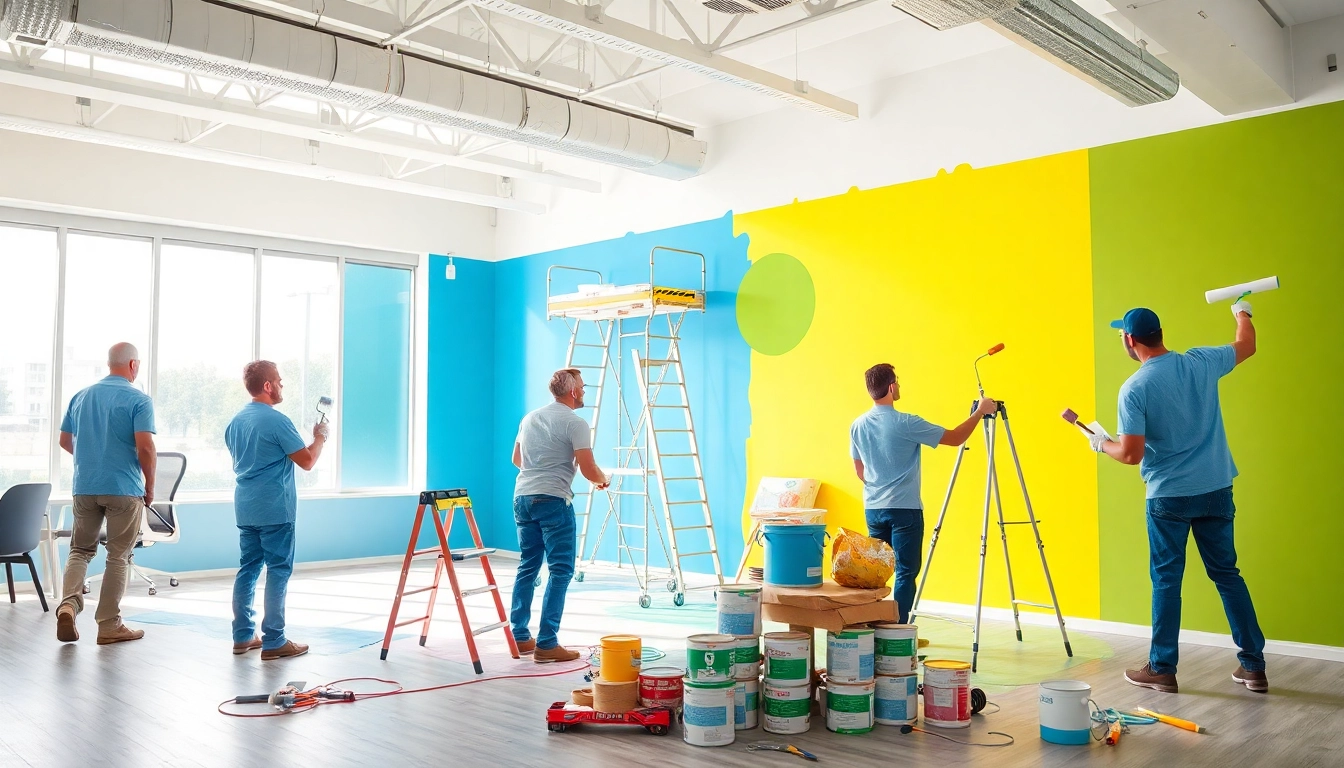
Understanding Commercial Painting
Definition and Purpose of Commercial Painting
Commercial painting involves applying paint, coatings, and finishes to commercial spaces, ensuring the enhancement of aesthetics and protection of structures. It encompasses various settings, such as offices, retail shops, restaurants, hotels, and industrial environments. The purpose extends beyond mere look; it also involves safeguarding surfaces from environmental factors, thus prolonging the lifespan of buildings. Effective commercial painting plays a crucial role in defining a brand's image and creating an inviting atmosphere for employees and customers alike.
Benefits of Professional Commercial Painting
Employing professional services for commercial painting offers numerous advantages. First and foremost, it ensures high-quality results. Professionals possess the experience and knowledge to choose the right materials and techniques, ensuring the paint adheres properly and lasts longer. Moreover, they have access to commercial-grade paints that provide better durability and coverage than standard options.
Another benefit is time efficiency. Professionals can complete projects much faster than untrained individuals, minimizing downtime in commercial spaces and allowing businesses to continue operations with minimal interruption. Furthermore, a well-painted environment can significantly improve employee morale and productivity, as well as attract more customers.
Types of Commercial Painting Services
Different types of commercial painting services cater to varying needs:
- Interior Painting: Focuses on enhancing indoor spaces with color schemes that match branding while ensuring functionality.
- Exterior Painting: Protects building exteriors from weather elements while enhancing curb appeal.
- Specialty Coatings: Includes options like anti-graffiti coatings, fire-resistant paints, and textured finishes suitable for specific commercial needs.
- Industrial Painting: Targets industrial facilities, often requiring specialized coatings that can withstand harsh environments and heavy wear.
- Eco-Friendly Painting: Utilizes environmentally friendly paints and practices, which can enhance indoor air quality and meet sustainability goals.
Choosing the Right Commercial Painting Contractor
Key Qualities to Look For
When seeking a commercial painting contractor, several qualities are critical to ensure success. Firstly, look for experience in commercial projects, as this requires specific techniques and materials. A solid portfolio showcases their work and gives you insight into their capabilities. Check for positive customer testimonials and references to gauge reliability and professionalism.
Moreover, assess their communication skills. A good contractor should be able to understand your vision and provide recommendations based on expertise. Lastly, reliability in meeting deadlines and budgets is essential, often reflecting their work ethic and commitment to client satisfaction.
Questions to Ask Potential Contractors
Before deciding on a contractor, consider asking the following questions:
- What is your experience with projects similar to mine?
- Can you provide references or pictures of past work?
- What type of paint and materials do you recommend for my project?
- How do you ensure safety and compliance with regulations?
- What is your estimated timeline for completion, and what are your payment terms?
Importance of Licensing and Insurance
Having a licensed contractor signifies that they have met necessary requirements and standards for operating in your region. It also adds a layer of accountability. Insurance is equally crucial; it protects you from liability arising from accidents or damages during the project. Verify that your contractor possesses both appropriate licenses and comprehensive insurance to ensure peace of mind throughout the painting process.
Preparing for a Commercial Painting Project
Site Assessment and Planning
Before commencing a commercial painting project, conducting a thorough site assessment is vital. This involves evaluating the condition of surfaces, noting any repairs needed before painting. Planning must include decision-making regarding colors, finishes, and the overall aesthetic desired. It is beneficial to collaborate with professionals who can offer insights into current trends and how colors affect moods and perceptions.
Choosing the Right Paint and Materials
Selecting appropriate paints and materials is crucial for achieving desired outcomes. Consider factors such as durability, finish, and VOC (volatile organic compounds) content, especially for indoor environments. Using quality materials not only ensures a better finish but also minimizes the need for frequent repainting, thereby optimizing long-term costs. Consulting with your contractor about the best options based on your building's usage and wear patterns can lead to effective choices.
Scheduling to Minimize Disruption
Effective scheduling is essential in commercial settings where disruptions can lead to financial losses. Aim to coordinate painting projects during off-hours or periods of reduced activity. Communicating the schedule to staff ahead of time can also help manage expectations. Ensure your contractor has a clear plan to manage dust, noise, and other disruptions efficiently.
Execution: The Painting Process
Steps Involved in Commercial Painting
The execution phase of commercial painting includes several key steps. Initially, contractors will prepare the surfaces, which involves cleaning, scraping, patching, and priming as necessary. After preparation, the actual painting begins, typically starting from the top to the bottom of a given surface area to ensure an even coat. Multiple coats may be required for optimal results, and thorough drying times must be adhered to between coats.
Ensuring Safety Standards During the Process
Commercial painting can involve hazardous materials and equipment. Adhering to safety standards protects both workers and your property. This involves wearing appropriate personal protective equipment (PPE), ensuring good ventilation, and following proper ladder and scaffold safety protocols. Your contractor should also have a safety plan that includes training and emergency procedures in case of accidents.
Final Touches and Cleanup
Once the painting is complete, final touches such as cleaning excess paint, touching up missed spots, and removing protective coverings are crucial for a professional finish. Ensuring that the site is tidy and ready for business operations is part of the contractor’s responsibility. A comprehensive post-project walkthrough can confirm that the work meets your standards and expectations.
Post-Project: Maintenance and Longevity
Regular Maintenance Tips for Painted Surfaces
To maximize the longevity of painted surfaces, routine maintenance is essential. Regular cleaning can prevent dust and grime from building up and dulling the finish. Consider using gentle cleaners that won't damage the paint. Additionally, inspect surfaces regularly for signs of wear or damage, as addressing minor issues promptly can prevent larger problems down the line.
Identifying Damage: When to Repaint
Not all painted surfaces require repainting at the same interval. Look for signs of fading, chipping, peeling, or discoloration to assess the need for repainting. If you find extensive damage that compromises the appearance or integrity of the paint, it may be time to consider a fresh coat. Periodically reassessing the condition of painted surfaces can help maintain a professional and inviting environment.
FAQs on Commercial Painting
What is the average cost of commercial painting?
The cost can vary significantly based on the project size, paint quality, and labor costs, but it typically ranges from $2 to $6 per square foot.
How long does a commercial painting job take?
The duration depends on the project's scale and complexity, but most jobs can range from a few days to a couple of weeks for larger spaces.
Can I stay open during painting?
In many cases, businesses can remain open with proper scheduling and phases of work; however, it's essential to coordinate with your contractor.
How often should I repaint my commercial space?
Repainting frequency depends on wear and tear, but typically every 5 to 10 years is advisable to maintain appearance and protect surfaces.
What types of paint should I use for high-traffic areas?
For high-traffic areas, consider durable options like satin or semi-gloss paints that withstand wear while being easy to clean.
Contact Information
Address:Branam Brushworks LLCCall Us:+12076168892