
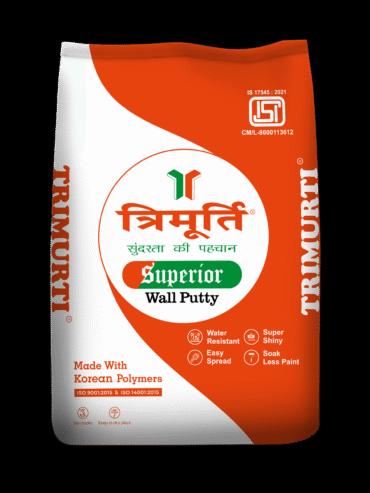
The exterior walls of any building act as the first protective layer against changing weather conditions, moisture, dust, and temperature variations. While they contribute significantly to the visual appeal of a structure, their primary role is to protect the interior from external challenges. Modern construction practices focus on creating stronger surfaces through proper preparation and advanced finishing materials such as exterior wall putty, which helps improve surface quality and provides a reliable base for long-lasting finishes.
A building’s exterior experiences continuous exposure to sunlight, rain, humidity, and pollution. Without proper protection, walls can develop cracks, stains, uneven textures, and surface deterioration over time. Selecting suitable materials and following correct application methods ensures that exterior surfaces remain attractive and structurally dependable for many years.
The Importance of Exterior Surface Preparation
Every durable exterior finish begins with proper surface preparation. Before applying any finishing material, professionals carefully examine the condition of the wall to identify cracks, uneven areas, dust accumulation, or moisture-related concerns.
A poorly prepared surface can reduce the effectiveness of even high-quality materials. Loose particles and irregular textures prevent proper bonding, which may lead to peeling or premature damage.
Preparation involves cleaning the surface, repairing imperfections, and ensuring that the wall is ready to receive finishing layers. This process creates a stable foundation that improves the performance of coatings and protective materials applied afterward. A carefully prepared exterior surface not only improves appearance but also contributes to the overall lifespan of the building.
Weather Resistance Supports Long Term Performance
Exterior walls face far greater challenges than interior surfaces because they are directly exposed to environmental conditions. Rainwater, harsh sunlight, temperature fluctuations, and airborne pollutants can gradually affect wall strength and appearance. Using reliable exterior wall putty solutions helps create a stronger protective layer that improves surface durability and supports better resistance against changing weather conditions.
Modern construction solutions focus on improving resistance against these external factors. Protective finishing systems are designed to reduce moisture absorption, minimize surface damage, and maintain consistency despite seasonal changes.
A strong exterior finish acts as a barrier that helps prevent water penetration and protects the underlying structure. Investing in weather-resistant solutions reduces maintenance requirements and helps preserve the building’s appearance over time.
Choosing Materials Based On Project Needs
Different buildings have different exterior requirements depending on their location, design, and environmental exposure. A residential property, commercial complex, industrial structure, and institutional building may require different finishing approaches.
Material selection should consider factors such as climate conditions, wall condition, expected lifespan, and maintenance expectations. Choosing the right solution ensures better performance and reduces the possibility of future repairs.
Professionals evaluate multiple factors before selecting finishing materials because the wrong choice can affect both durability and aesthetics. The goal is not only to create attractive walls but also to develop a protective system capable of handling everyday environmental stress.
Creating A Smooth Base For Finishes
A flawless exterior appearance depends heavily on the quality of the base surface. Uneven walls, small cracks, and surface irregularities can become visible after painting if they are not properly corrected.
Finishing materials help create smoother surfaces that allow paints and coatings to perform better. They improve consistency and enhance the final visual appearance of the building.
A properly prepared exterior surface also improves paint coverage and reduces uneven absorption. This helps maintain uniform color and prevents early signs of deterioration. The smoother the foundation, the better the final exterior finish will appear and perform.
Understanding Material Quality And Value
When selecting construction materials, many people focus only on initial expenses. However, long-term performance often depends on the quality and reliability of the chosen products.
A lower upfront cost may result in higher maintenance expenses if the material fails to provide adequate protection. Professionals therefore consider durability, application efficiency, and expected service life before making decisions.
Factors such as pop wall putty price are often evaluated alongside performance benefits to understand the overall value offered by a finishing solution. A balanced approach helps achieve better results without unnecessary future expenses.
Improving Protection Through Complete Systems
Exterior wall protection is not achieved through a single material alone. It involves multiple layers working together to create a strong and reliable surface.
From surface preparation to final coatings, every stage contributes to the building’s overall performance. A weakness in any one layer can affect the effectiveness of the entire system.
For projects involving tiled areas and exterior applications, solutions such as Trimurti tile adhesive support reliable installation and help maintain strong finishing standards across different surfaces. A complete approach ensures better durability and improved project outcomes.
Reducing Maintenance Through Better Planning
Maintenance is an important consideration for every building owner. Frequent repairs not only increase expenses but also affect the usability and appearance of a property.
Proper planning during construction helps minimize future maintenance requirements. Selecting durable materials, preparing surfaces correctly, and following recommended installation practices all contribute to longer-lasting results.
A strong exterior protection system reduces the impact of environmental damage and helps buildings maintain their appearance for extended periods. This long-term approach provides better value and improves the overall ownership experience.
Future Trends In Exterior Finishing
The construction industry continues to develop new solutions focused on durability, efficiency, and sustainability. Future exterior finishing systems are expected to offer improved resistance, easier application, and better environmental performance.
Advancements in material technology are helping manufacturers create products that respond to modern construction challenges. Builders are increasingly looking for solutions that reduce maintenance while supporting long-term building performance.
As architectural expectations continue to grow, exterior finishing will remain an important area of innovation within the construction sector.
Conclusion
Exterior wall protection plays an essential role in maintaining the strength, beauty, and longevity of buildings. Proper preparation, suitable materials, and skilled application together create surfaces that can withstand environmental challenges while maintaining their visual appeal.
Using reliable solutions like exterior wall putty helps improve surface quality and creates a stronger foundation for protective finishes. When combined with thoughtful planning and quality construction practices, exterior walls can remain durable and attractive for many years.
Companies like Trimurti Products continue supporting modern construction needs by providing solutions designed to improve finishing quality and deliver dependable performance across diverse building projects.