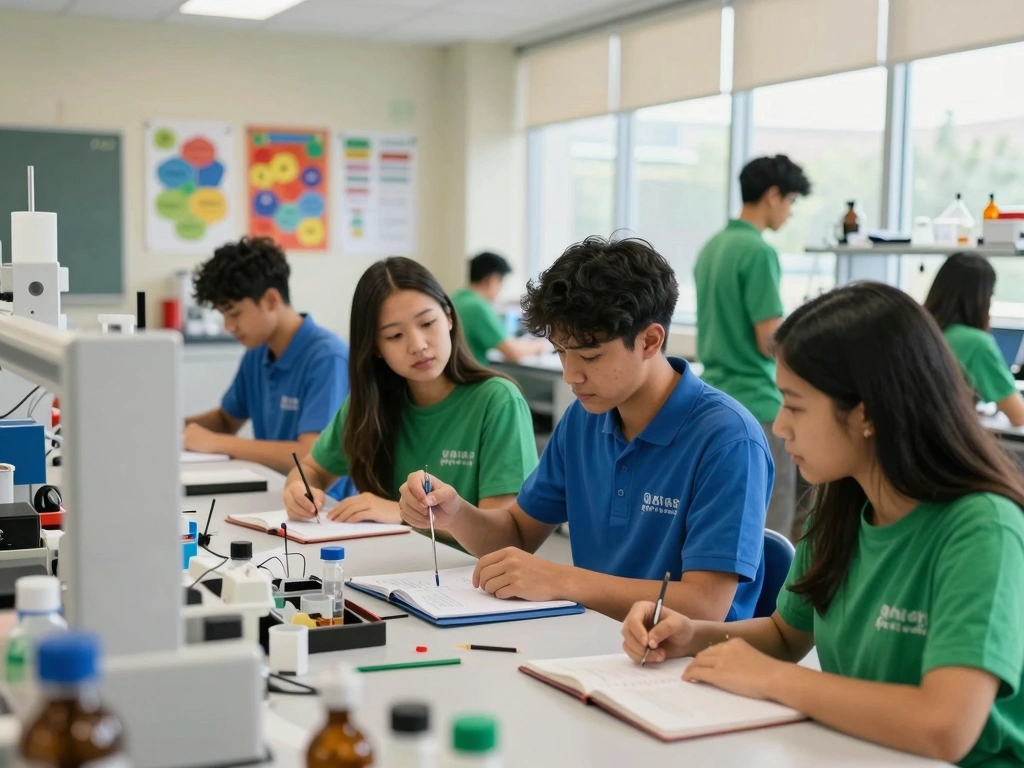
The Importance of Education in South Texas
Education plays a vital role in shaping individual futures, community development, and economic growth, particularly in regions like South Texas. It stands as the cornerstone for personal and professional advancement, empowering residents to navigate an increasingly complex job market and societal landscape. As you consider how to build your future south texas, grasping the interconnectedness of education, opportunities, and community resources becomes paramount.
Stakeholders in Education
The educational landscape in South Texas is influenced by diverse stakeholders, including government entities, local school districts, educators, parents, and the business community. Each plays a unique role in shaping educational policy, curriculum development, and resource allocation:
- Government Bodies: State and local governments provide funding and set educational standards, ensuring that institutions reflect community needs.
- School Districts: Responsible for managing public schools, they implement curriculum and support teacher training.
- Educators: Teachers and administrators are directly involved in shaping the learning experience and are critical in identifying students' needs.
- Parents and Community Organizations: They offer support through volunteering and fundraising, creating a partnership that strengthens schools.
- Businesses: As economic drivers, they often partner with educational institutions to align training programs with industry needs, reinforcing a skilled workforce.
Current Educational Trends
Recent trends in education reflect a shift toward personalized learning and technology integration. Online platforms and educational technology tools have emerged as powerful allies in enhancing teaching effectiveness and student engagement:
- Blended Learning: Combining traditional classroom instruction with online resources, this approach allows for personalized pacing and support.
- Skills-based Programs: Schools and institutions are increasingly focusing on practical skills, particularly in technical fields, to meet workforce demands.
- Diversity and Inclusion: Efforts are underway to promote inclusivity, ensuring all students have access to quality education, reflecting the community's diversity.
- Emphasis on Soft Skills: Programs are implementing soft skills training, preparing students for collaboration and communication in professional settings.
Challenges Facing Educators
Despite progress, educators in South Texas face significant challenges that can affect learning outcomes:
- Funding Limitations: Many schools struggle with inadequate funding, which hampers their ability to provide resources, facilities, and extracurricular activities.
- Teacher Retention: High turnover rates hinder the development of stable teacher-student relationships, critical for effective learning.
- Access to Technology: While technology integration is increasing, disparities in access can limit students’ learning experiences.
- Language Barriers: With a diverse student population, educators often encounter challenges in language proficiency that can affect academic performance.
Pathways to Success: Available Programs
South Texas boasts various educational programs designed to cater to the diverse interests and career aspirations of its residents. These pathways offer practical solutions for those looking to enhance their qualifications and employability.
Vocational Training Options
Vocational training programs provide practical skills and hands-on experience, preparing students for immediate entry into the workforce. These options are especially relevant in industries with high demand for skilled labor:
- Trade Skills: Programs in plumbing, electrical work, and HVAC are crucial given the ongoing infrastructure development in the region.
- Healthcare Certifications: Opportunities abound in nursing, medical assisting, and health information management, addressing the rising need for healthcare professionals.
- Information Technology: As digital technology continues to evolve, training in IT support, cybersecurity, and software development are increasingly offered.
Degree Programs and Certifications
For those seeking formal education, South Texas offers a variety of degree programs and certifications aimed at higher-level career paths:
- Associate Degrees: Community colleges provide two-year programs that pave the way for students to transfer to four-year institutions or enter the workforce.
- Bachelor’s Degrees: Universities in the region offer diverse majors, equipping graduates with knowledge and skills for a range of professions.
- Professional Certifications: Various organizations provide specialized certifications, enhancing employability in fields like project management and human resources.
Online Learning Opportunities
The rise of online education has transformed how individuals pursue learning, offering flexibility and accessibility:
- Fully Online Degrees: Many accredited institutions provide complete degree programs online, allowing students to balance education with work or family obligations.
- MOOCs (Massive Open Online Courses): Offered by universities and organizations, these courses enable learners to access high-quality education at little or no cost.
- Skill-Based Workshops: Online workshops focus on specific skills or tools, catering to professionals seeking to enhance their current capabilities.
Community Resources Supporting Education
Various community resources are available that support educational endeavors in South Texas, enhancing learning opportunities and student engagement.
Local Organizations and Initiatives
Numerous organizations focus on improving educational outcomes through various innovative initiatives:
- Nonprofits: Many local nonprofits provide tutoring, mentorship, and college readiness programs to assist students.
- Libraries: Libraries often host educational workshops, literacy programs, and access to digital resources that complement formal education.
- Cultural Organizations: Partnerships with cultural institutions enrich educational content, particularly in arts and humanities.
Partnerships with Businesses
Collaborations between educational institutions and local businesses are vital for ensuring training aligns with job market needs:
- Internship Programs: Businesses often sponsor internships, providing students with hands-on experience while helping to cultivate a skilled workforce.
- Job Shadowing: Local companies facilitate job shadowing opportunities, allowing students to gain insights into various professions.
- Scholarship Programs: Many businesses offer scholarships for students pursuing relevant fields, enhancing access to education.
Scholarships and Financial Aid Information
Finances should never be a barrier to education. Various financial aids are available for students in South Texas:
- State Grants: The state offers grants based on financial need, which do not require repayment.
- Scholarships: Numerous local organizations and institutions promote scholarships for high school seniors and returning adult learners.
- Work-Study Programs: Many colleges offer work-study options that allow students to earn money while attending classes.
Measuring Success in Education
To understand the effectiveness of educational initiatives, success must be measured across various domains. Analyzing performance metrics can provide insights into how well South Texas is building a robust educational framework.
Performance Metrics in South Texas
Successful educational systems rely on a plethora of metrics designed to evaluate student performance and institutional effectiveness:
- Standardized Test Scores: These scores provide a snapshot of student proficiency in core subjects and can highlight areas needing improvement.
- Graduation Rates: Tracking the percentage of students who complete their degrees provides insights into educational attainment and retention.
- Post-Secondary Enrollment Rates: The percentage of high school graduates who continue their education reflects the perceived value of local programs.
Impact of Education on Career Opportunities
Higher education levels correlate positively with improved career prospects:
- Employment Rates: Degree holders generally enjoy lower unemployment rates compared to those without formal qualifications.
- Salary Potential: Education directly influences earning potential; on average, higher educational attainment leads to significantly higher wages.
- Job Stability: Educated professionals tend to benefit from greater job security and opportunities for advancement.
Long-term Benefits for the Community
The ripple effects of improved education extend well beyond individual success:
- Economic Growth: A well-educated workforce attracts businesses, driving local economic development.
- Social Cohesion: Higher educational attainment contributes to lower crime rates and increased civic engagement.
- Informed Citizenry: Education fosters critical thinking, leading to more informed participation in democratic processes.
FAQs: Common Queries about Education in South Texas
What types of programs are available in South Texas?
South Texas offers a variety of vocational, degree, and online programs to cater to diverse educational needs and career goals.
How can I find financial aid for training programs?
Financial aid opportunities include scholarships, grants, and loans. Check with local organizations and schools for specific options.
Are online learning options reputable?
Yes, many accredited institutions offer online programs that provide quality education comparable to traditional classrooms.
What is the employment outlook for graduates?
Graduates from South Texas education programs typically experience a strong job market with growing industries seeking trained professionals.
How can I get involved in supporting education initiatives?
You can volunteer, donate, or participate in local educational programs and initiatives to make a positive impact in your community.