Understanding the Importance of a Dump Trailer
In the world of heavy-duty transport and construction, efficiency and reliability take center stage, especially when it comes to moving large quantities of materials. A dump trailer serves as an essential tool in achieving these objectives. This article explores everything you need to know about dump trailers, from their significance and applications to maintenance and accessories that enhance their performance.
What is a Dump Trailer?
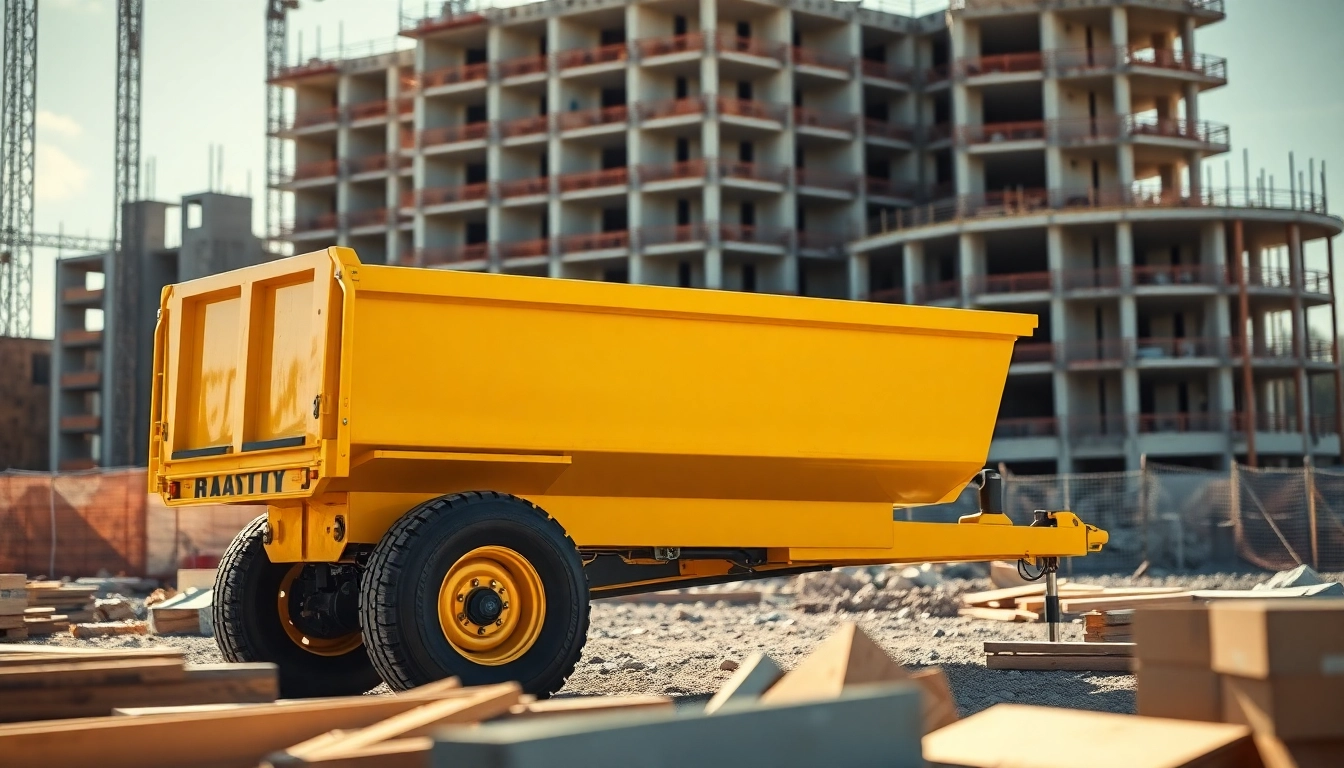
A dump trailer is a heavy-duty trailer equipped with a hydraulic lift that enables the back end to tilt and unload materials like dirt, gravel, sand, debris, and more. Typically, these trailers are made from robust materials to withstand the rigors of hauling and dumping heavy loads. They can be towed by trucks or SUVs, making them versatile for various applications.
Key Benefits of Using a Dump Trailer
Utilizing a dump trailer comes with numerous advantages that make it an indispensable asset for both commercial and personal use:
- Efficiency: The hydraulic mechanism enables quick unloading, drastically improving workflow and productivity.
- Versatility: Suitable for a variety of materials, from construction debris to landscaping materials, catering to diverse needs.
- Capacity: Offers a wide range of sizes and weight capacities, allowing users to choose according to their requirements.
- Ease of Use: Simple operation with minimal effort required to unload materials, even for untrained operators.
Common Uses Across Various Industries
Dump trailers are utilized across a wide array of industries. Here are some common applications:
- Construction: Loading and transporting building materials and debris from job sites.
- Lawn and Landscape: Hauling soil, mulch, and plants for gardening projects.
- Waste Management: Collecting and disposing of debris, leaves, and other waste materials.
- Agriculture: Transporting feed, hay, or equipment in farming operations.
Choosing the Right Dump Trailer for Your Needs
Selecting the appropriate dump trailer that fits your specific requirements requires careful consideration. Let's take a closer look at key factors.
Factors to Consider When Selecting a Dump Trailer
When choosing a dump trailer, you should consider the following factors:
- Payload Capacity: Ensure that the trailer can handle the weight of the materials you plan to transport.
- Size: Consider the dimensions of the trailer to make sure it fits your towing vehicle and the space you will be working in.
- Material: Opt for aluminum for a lighter option or steel for heavy-duty use, depending on your needs.
- Dump Mechanism: Different trailers have different mechanisms; choose one that aligns with how frequently and rapidly you need to unload materials.
Understanding Weight Capacities and Dimensions
Weight capacities are typically divided into three categories: light, medium, and heavy-duty. Light-duty trailers usually carry up to 7,000 pounds, while medium-duty trailers can handle between 7,000 to 14,000 pounds. Heavy-duty options exceed 14,000 pounds, suitable for larger loads. Dimensions also play a crucial role; longer trailers can carry more materials but may be harder to maneuver in tight spaces.
Top Features to Look For
Here are some critical features that can enhance the functionality of your dump trailer:
- Hydraulic Lift: A robust hydraulic system for efficient unloading.
- Drop Gate: Allows for easy loading and unloading of materials.
- Electric Brakes: Provides better stopping power and safety during towing.
- Ramps: Facilitates easy access, particularly for loading equipment.
- Safety Features: Include reflective tape and safety chains for optimal visibility and security.
Best Practices for Maintaining Your Dump Trailer
Proper maintenance is essential to extend the life of your dump trailer. Here are key practices to follow:
Regular Maintenance Routines
Implement a maintenance schedule that includes:
- Checking the brakes and tires for wear and tear.
- Inspecting hydraulic lines and connections for leaks.
- Lubricating moving parts to ensure smooth operation.
- Cleaning the trailer periodically to prevent rust and corrosion.
Identifying Common Problems and Solutions
Recognizing common issues can save time and money:
- Leaking Hydraulics: Check connections and lines; replace damaged components.
- Brake Issues: Inspect brake fluid levels and pad wear; service or replace as needed.
- Tire Wear: Rotate and maintain proper pressure to prolong tire life.
How to Extend the Life of Your Dump Trailer
To maximize lifespan, follow these tips:
- Choose the right trailer size for your needs to avoid overloading.
- Store the trailer in a dry place to prevent moisture-related damage.
- Inspect and repair any minor issues immediately to prevent escalation into major repairs.
Enhancing Performance with Accessories
Dump trailers can be improved significantly with the right accessories. Let's explore some must-have additions.
Must-Have Accessories for Your Dump Trailer
Consider these accessories for improved functionality:
- Side Rails: Added support for secure transport of loose materials.
- Tarps: Helps keep materials covered during transport.
- Toolboxes: Convenient storage for tools and equipment when on the job.
Tech Innovations for Improved Functionality
Modern technology can enhance your dump trailer's capabilities, such as:
- Wireless Remote Controls: Allow operators to control dumping from a distance.
- Load Sensors: Help detect payload weight, ensuring safe towing.
- GPS Tracking: Monitors trailer location for safety and efficiency during operations.
How Accessories Affect Efficiency
Incorporating accessories can improve not only convenience but also enhance efficiency:
- Accessories like side rails prevent spillage, reducing cleanup time and material loss.
- Tarps and covers keep materials secure, ensuring safe transport and compliance with regulations.
- Toolboxes help operators stay organized, allowing for quicker project transitions.
Frequently Asked Questions About Dump Trailers
What payload can my dump trailer handle?
Your dump trailer's payload capacity varies based on its specifications. Generally, light-duty trailers handle around 7,000 pounds, while heavy-duty models exceed 14,000 pounds. Always consult your manufacturer's guidelines for details.
How do I properly load and unload materials?
When loading, distribute the weight evenly and ensure it doesn't exceed the trailer's capacity. When unloading, park on level ground, engage the brakes, and control the hydraulic lift to avoid accidents.
What maintenance should I perform regularly?
Regular checks on tires, brakes, and hydraulic systems are vital. Lubricate moving parts, inspect for wear, and clean the trailer to prevent rust. Follow a routine maintenance schedule to ensure longevity.
Are there specific towing requirements for dump trailers?
Towing requirements include matching the trailer's weight to your vehicle's towing capacity and using the correct hitch type. It's essential to familiarize yourself with local regulations regarding trailer dimensions and weight limits.
How can I improve my dump trailer's efficiency?
Enhancing efficiency can be achieved by using features like wireless remotes, ensuring proper maintenance, and utilizing accessories like tarps and side rails. Correct loading techniques can also prevent material loss during transport.