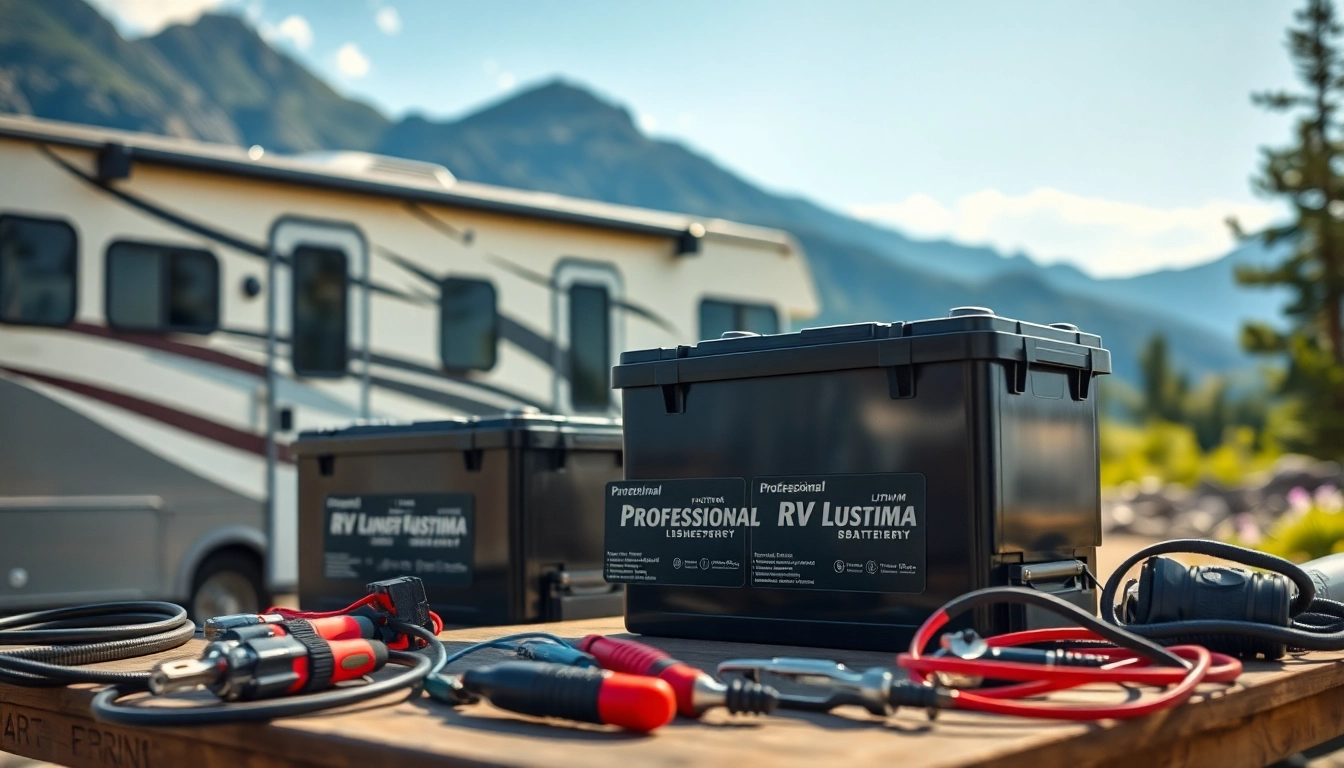
Understanding Lithium RV Batteries
What Are Lithium RV Batteries?
Lithium RV batteries are advanced energy storage solutions widely adopted for recreational vehicles due to their impressive performance characteristics. Unlike traditional lead-acid batteries, lithium RV batteries utilize lithium iron phosphate (LiFePO4) technology. This technology provides a longer lifespan, faster charging times, and significantly lighter weight, which enhances the overall efficiency and usability of RV power systems. With lithium RV batteries, users can enjoy reliable performance even in off-grid settings, powering appliances and devices without worry.
Benefits of Choosing Lithium RV Batteries
The advantages of lithium RV batteries are substantial and multifaceted, making them increasingly popular among RV enthusiasts. Key benefits include:
- Longevity: Lithium RV batteries can last up to 10 years or more, outpacing lead-acid batteries, which typically last 3 to 5 years.
- Weight Efficiency: Lithium batteries are lighter, making them easier to install and manage, which is a crucial consideration for weight-sensitive RVs.
- Depth of Discharge: They can be discharged to a lower state without damage, offering more usable capacity.
- Faster Charging: Lithium RV batteries charge faster, enabling users to return to power in less time.
- Environmental Impact: They are more eco-friendly due to a lower risk of toxic leaks.
Common Misconceptions About Lithium RV Batteries
Despite their growing popularity, there are several misconceptions that could deter potential users from investing in Vatrer Power lithium RV batteries. These include:
- Cost: While lithium batteries are more expensive initially, their longer lifespan and performance make them a cost-effective choice in the long run.
- Complexity: Some believe lithium systems are complicated to integrate, but many modern RVs come ready for lithium battery setups.
- Overheating Risk: Properly designed and maintained 12V 300Ah Lithium Battery carry minimal risk of overheating compared to traditional battery types.
How Lithium RV Batteries Work
Battery Composition and Design
Lithium RV batteries are mainly made from lithium iron phosphate cells, which contribute to their superior performance and safety features. The internal design includes several protective mechanisms to ensure stability and efficiency. Structurally, these batteries feature a built-in Battery Management System (BMS) that monitors cell balance, temperature, and charging cycles, protecting them from damage and ensuring optimal performance.
Charging and Discharging Processes
The charging process for lithium RV batteries is sophisticated and highly efficient. Unlike lead-acid batteries, which can suffer from sulfation if not charged correctly, lithium batteries can absorb energy rapidly. The BMS controls the charging to prevent overcharging and allows for safe, consistent power delivery. During discharge, lithium batteries maintain a steady voltage, ensuring devices receive the power they require without fluctuation.
Comparison with Traditional Batteries
When comparing lithium RV batteries with traditional lead-acid options, the differences are striking. Key comparisons include:
- Weight: Lithium batteries are significantly lighter, reducing overall RV weight.
- Energy Density: Lithium batteries offer higher energy density, meaning they store more energy per unit of weight.
- Maintenance: Lithium batteries require less maintenance over their life compared to lead-acid batteries, which need regular checks and will lose capacity over time due to sulfation.
Choosing the Right Lithium RV Batteries for Your Needs
Factors to Consider Before Purchase
When selecting lithium RV batteries, several factors should be weighed:
- Capacity: Understand your power needs. This involves calculating the total watt-hours required for your appliances and systems.
- Voltage: Batteries come in different voltages; ensure compatibility with your RV's electrical system.
- Size and Weight: Evaluate the available space and whether your RV can accommodate the battery’s weight.
Different Types and Specifications
Lithium RV batteries are available in various configurations suited for different needs. Common types include:
- 12V Batteries: Best for small RV setups and basic power needs.
- 24V Batteries: Suited for larger RVs with heavier energy requirements.
- 48V Batteries: Ideal for comprehensive electrical systems, including heavy appliances and off-grid setups.
Installation Tips for Lithium RV Batteries
Installing lithium RV batteries can be straightforward, especially with the right guidance. Here are essential tips for successful installation:
- Follow the manufacturer’s instructions precisely to avoid damaging the battery.
- Use appropriate cabling and connectors to handle the battery's current and avoid resistive losses.
- Ensure proper ventilation and avoid placing batteries in extreme temperatures to maximize lifespan.
Maintaining Your Lithium RV Batteries
Best Practices for Longevity
To ensure your lithium RV batteries remain in optimal condition, adhere to these best practices:
- Regularly check the battery's charge level and avoid deep discharges.
- Keep connections clean and secure to prevent energy loss.
- Store batteries in a cool, dry environment to reduce wear.
Common Issues and Troubleshooting
While lithium RV batteries are reliable, users might encounter some common issues:
- Battery Not Charging: Check connections and ensure the charger is compatible.
- Low Power Output: Verify that you are not exceeding the battery’s capacity and conduct a battery health check.
- Temperature Alerts: If the BMS indicates high temperatures, improve ventilation or reduce load temporarily.
Signs It’s Time to Replace Your Battery
Understanding when to replace your batteries can prevent inconvenient power losses. Look for these signs:
- Significant drops in charging capability.
- Frequent temperature warnings from the BMS.
- Physical deformities such as swelling or corrosion.
Frequently Asked Questions About Lithium RV Batteries
Are lithium batteries worth it for my RV?
Yes, lithium RV batteries provide longer lifespan, faster charging, and higher usable capacity, making them cost-effective for frequent RV users.
How long do lithium RV batteries last?
With proper maintenance, lithium RV batteries can last up to 10 years or longer, significantly exceeding the lifespan of standard lead-acid batteries.
Can I connect multiple lithium batteries?
Yes, multiple lithium batteries can be connected in parallel or series, depending on your voltage and capacity needs, but ensure compatibility and proper configuration.
What is the impact of temperature on lithium RV batteries?
Lithium batteries perform best between 32°F and 113°F. Extreme temperatures can affect performance, charging capability, and lifespan.
How do I maximize the performance of my lithium RV batteries?
To maximize performance, maintain proper charge levels, avoid deep discharges, ensure good connections, and monitor battery health regularly. For those considering a power upgrade, lithium RV batteries offer an excellent solution to enhance your RV experience, providing the power when and where you need it.