Introduction to Gastronomic Experiences
Understanding the Essence of Dining
Dining is not just about food; it encompasses a harmonious blend of flavors, ambiance, and emotions. Restaurants serve as the backdrop for personal stories and social gatherings, where every plate tells a story. The quest for unforgettable culinary experiences drives diners to seek out unique offerings. Within this landscape, a restaurant's slot on the culinary map can define its place in the highly competitive industry.
The Importance of Atmosphere in Restaurants
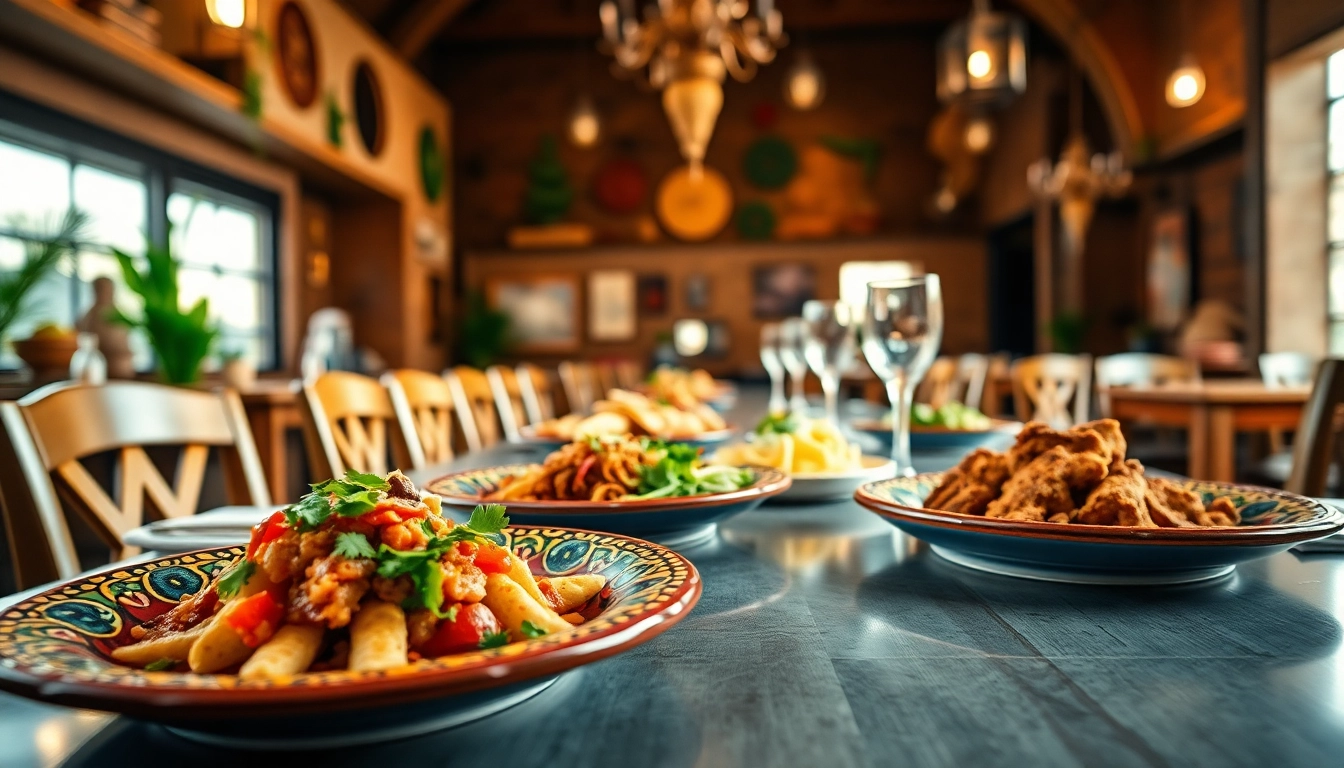
Atmosphere plays a critical role in enhancing the dining experience. Elements such as décor, lighting, and music set the mood and elevate the meal. A well-curated ambiance can transform a simple dinner into a memorable occasion, as sensory experiences intertwine with the food served. Thoughtful considerations in these areas help to create a cohesive experience that resonates with diners long after the meal is over.
Culinary Trends to Watch
The culinary world is ever-evolving, with new trends emerging that redefine how we experience food. From plant-based dining to sustainability practices, modern culinary movements reflect societal shifts and consumer preferences. Keeping track of these trends allows restaurants to stay relevant and attract diverse clientele, offering dishes that speak to the current zeitgeist. Innovations such as fermentation, intricate plating techniques, and molecular gastronomy continue to expand the horizon of dining, enticing food lovers to explore new flavors.
Crafting Exceptional Menus
Incorporating Seasonal Ingredients
Seasonal ingredients not only enhance the freshness and flavor of dishes but also foster a connection with the local community. Sourcing ingredients from local farmers or markets can tell a compelling story through the menu, appealing to both eco-conscious diners and food enthusiasts. Implementing seasonal menus also encourages chefs to innovate and experiment, leading to unique gastronomic creations that change with the time of year.
Balancing Flavor and Presentation
A great dish is a symphony of taste, texture, and visual appeal. Striking a balance between flavor and presentation is crucial in crafting memorable dishes. Chefs can use techniques such as color theory and plating styles to create eye-catching presentations without undermining flavor. Exploration of diverse culinary traditions and presentation methods allows restaurants to offer striking options that captivate and satisfy patrons' palates.
Special Dietary Options to Consider
As the diversity of dietary needs grows, it becomes imperative for restaurants to consider various dietary preferences, including vegetarian, vegan, gluten-free, and allergy-conscious options. Knowledge of these requirements not only showcases a restaurant's inclusivity but also draws in a broader customer base. Developing dishes that cater to these diets without sacrificing taste poses both a challenge and an opportunity for culinary innovation.
Enhancing Customer Engagement
Building Relationships with Patrons
Customer engagement goes beyond a pleasant dining experience; it involves nurturing relationships. Personalized service, by remembering names or preferences, can elevate the perceived value of a meal. Regular patrons should be acknowledged, making them feel appreciated and connected to the restaurant. Implementing loyalty programs or exclusive events can enhance this connection, fostering a community around the dining experience.
Using Technology for Better Service
The integration of technology into restaurants can streamline operations and enhance customer satisfaction. From digital reservations to contactless payments, embracing technological advances can improve the overall efficiency of service. Interactive menus that highlight dish origins or ingredient sourcing can engage diners further, while feedback apps provide real-time insights for continuous improvement. Technology, when used thoughtfully, can create a seamless dining experience.
Feedback Loops to Foster Improvement
Soliciting feedback from customers is a vital component of growth in the restaurant industry. Establishing feedback mechanisms, such as comment cards or online surveys, allows patrons to voice their opinions. Analyzing this feedback can unveil areas where the dining experience may be lacking, or it can highlight successful aspects worth celebrating. Implementing changes based on customer insights demonstrates responsiveness and a commitment to continuous improvement.
Marketing Your Restaurant Effectively
Creating an Inviting Online Presence
An inviting online presence is essential for attracting diners in today's digital-centric world. A well-designed website should feature the menu, ambiance, and story behind the restaurant, along with stunning visuals that capture the essence of the dining experience. Search engine optimization (SEO) strategies should be utilized to ensure the restaurant appears in local searches, increasing visibility and engagement.
Leveraging Social Media Strategically
Social media platforms provide an invaluable tool for disseminating information and engaging with customers. Regularly posting high-quality images of dishes, behind-the-scenes content, and engaging stories can captivate potential diners. Using social media to announce promotions, events, or new menu items can drive traffic to the restaurant, encouraging shares and discussions among patrons. Strategic use of hashtags and community engagement also promotes the restaurant's brand.
Running Targeted Promotions
Targeted promotions can attract different segments of customers based on preferences or demographics. Special offers, such as happy hours, themed nights, or holiday events, can create a buzz and fill seats during slower times. Collaborating with local businesses or influencers for events or special menus can expand reach and appeal to new audiences. Adaptable promotions tailored to current events or seasonal trends keep the marketing strategy fresh and engaging.
Measuring Success in the Restaurant Industry
Key Performance Indicators to Track
Measuring success in the restaurant industry requires a thorough understanding of key performance indicators (KPIs). Metrics such as revenue per table, food cost percentage, and table turn time provide insights into operational efficiency. Tracking these KPIs regularly helps restaurant owners make informed decisions regarding menu changes, staffing, and marketing efforts, ultimately shaping the restaurant's long-term strategy.
Customer Satisfaction Metrics
Understanding customer satisfaction is vital for restaurant growth. Metrics such as Net Promoter Score (NPS) and customer loyalty indices provide measurable values that reflect the overall dining experience. Encouraging customers to leave reviews on popular platforms not only helps improve service but also attracts new customers. Regularly assessing customer satisfaction can inform adjustments for better engagement.
Evaluating Financial Health
To sustain a successful restaurant, it is crucial to maintain strong financial health. Preparing regular financial statements and cash flow analyses helps track profitability and identify cost-saving areas. Implementing budget forecasts allows for strategic financial planning, enabling owners to allocate resources where necessary. Understanding financial metrics through a holistic approach aids restaurant owners in assessing overall performance and making informed decisions.
Frequently Asked Questions
What makes a restaurant’s atmosphere important?
The atmosphere shapes the dining experience by affecting mood and setting expectations, contributing significantly to overall satisfaction and the likelihood of return visits.
How can seasonal ingredients affect a menu?
Seasonal ingredients enhance flavor and freshness while promoting local sourcing, helping restaurants connect with their communities and offering dishes that celebrate local produce.
Why is customer feedback essential for restaurants?
Customer feedback provides insights into diners' experiences, highlighting strengths and areas for improvement, ultimately guiding menu adjustments and service enhancements.
What role does technology play in modern restaurants?
Technology improves operational efficiency, enhances customer experience through better service, and can provide invaluable data insights to drive improvements in quality and service.
How should restaurants measure success?
Success can be measured through various KPIs like revenue per table, customer satisfaction metrics, and financial health indicators, providing a well-rounded view of performance.