The Importance of Reliable Plumbing Services
In today's world, reliable plumbing services are more than just a luxury; they are a necessity for maintaining the functionality and safety of our homes and businesses. Plumbing issues can arise from various factors, including wear and tear, external weather conditions, and improper installation of plumbing fixtures. The significance of having access to professional plumbing services cannot be understated, particularly as we move into 2026, where the demands for efficiency and sustainability in plumbing systems are growing rapidly. When exploring options, read more here provides comprehensive insights on how professional services can cater to your plumbing needs.
Understanding Common Plumbing Issues
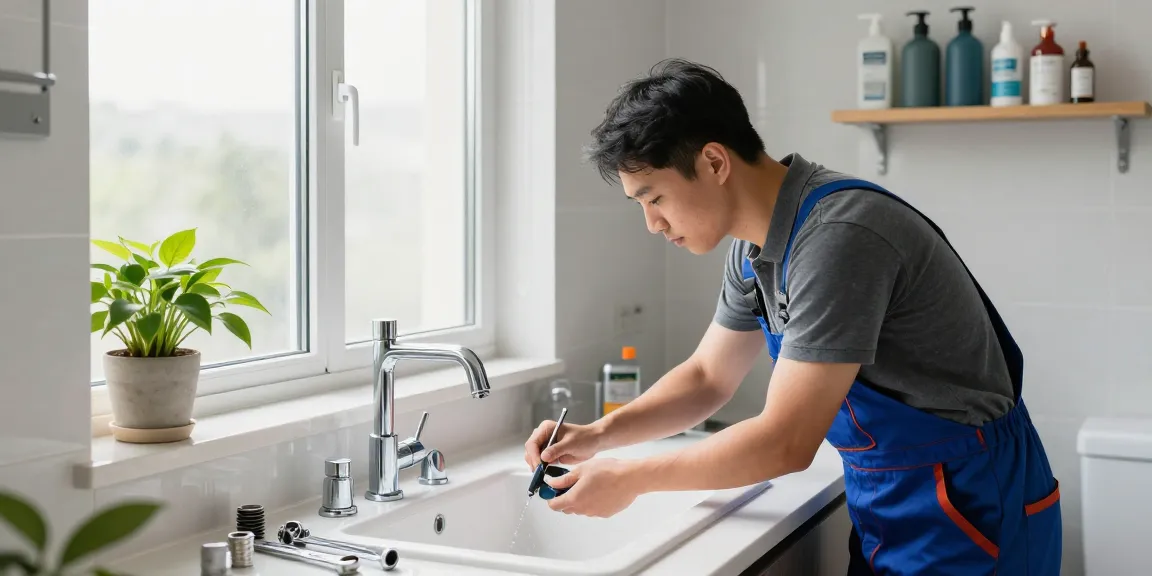
Homeowners often encounter a range of common plumbing issues, such as leaky faucets, clogged drains, and running toilets. These problems, while seemingly minor, can escalate if not addressed promptly. Understanding the underlying causes of these issues can empower homeowners to seek assistance when needed. For instance, a dripping faucet could signal a worn-out washer, while a clogged drain may indicate deeper obstructions in the plumbing system. Regular maintenance and timely repairs are essential to mitigate the risk of more significant plumbing emergencies.
How Reliable Plumbing Impacts Home Value
The value of a home is significantly influenced by its plumbing system. Potential buyers often consider the condition of plumbing installations as a key factor during the purchasing process. An outdated or poorly maintained plumbing system can deter buyers, while a modern, efficient setup can enhance the attractiveness of a property. Homeowners looking to increase their resale value should invest in renovations that improve plumbing efficiency, such as installing low-flow fixtures or upgrading old pipes.
Emergency Plumbing Situations to Prepare For
Being prepared for emergency plumbing situations is crucial for homeowners. Common emergencies include burst pipes, sewage backups, and sudden leaks. These issues can cause extensive damage if not dealt with promptly. Homeowners should know where their main water shut-off valve is located and have a list of trusted plumbers available for emergencies. Quick action can save time and money in mitigating the damage caused by plumbing disasters.
Key Trends in Plumbing Services for 2026
As we approach 2026, several key trends are shaping the future of plumbing services. The industry is evolving with new technologies and sustainable practices aimed at enhancing efficiency and customer satisfaction.
Smart Home Integration in Plumbing
Smart home technology is revolutionizing the plumbing industry. Innovations such as smart faucets and leak detection systems can help homeowners monitor their water usage and detect leaks in real-time. These advancements not only contribute to water conservation but also enhance the overall efficiency of home plumbing systems.
Sustainable Plumbing Solutions
With increasing awareness of environmental sustainability, many plumbing services are adopting eco-friendly practices. This includes the installation of water-efficient fixtures and the use of reclaimed materials in plumbing repairs. Homeowners interested in reducing their carbon footprint can benefit from these green plumbing solutions that provide both cost savings and environmental benefits.
Trends in DIY Plumbing Repairs
As access to online resources continues to expand, more homeowners are attempting DIY plumbing repairs. While this can be a cost-effective strategy, it is essential for homeowners to understand their limitations. Simple tasks, such as unclogging a drain or replacing a faucet, can be manageable, but complex issues should always be referred to professional plumbers to avoid costly mistakes.
Choosing the Right Professional Plumber
Finding the right plumber is crucial for ensuring high-quality service. An experienced plumber can make all the difference in the outcome of your plumbing repairs or installations.
What to Look for in a Plumber
When selecting a plumber, consider their qualifications, reviews, and experience. Look for certifications and licenses that indicate a plumber's expertise and adherence to safety standards. Customer reviews can provide insight into their reliability and quality of work, giving you an idea of what to expect before hiring them.
How to Evaluate Plumbing Qualifications
Plumbing qualifications vary by state and country, but reputable plumbers will often hold certifications from recognized industry organizations. Additionally, they may participate in ongoing training to stay updated on the latest plumbing technologies and practices. Verifying qualifications is essential to ensure that you are hiring a knowledgeable professional who can handle your plumbing needs effectively.
Best Practices for Hiring a Plumber
To ensure a successful plumbing engagement, follow these best practices: request multiple quotes, inquire about warranty agreements, and ensure clear communication regarding the scope of work. Discussing expectations upfront can prevent misunderstandings later and foster a professional relationship built on trust.
Cost Considerations for Plumbing Services
Understanding the financial aspects of plumbing services is crucial for homeowners planning repairs or upgrades.
Understanding Plumbing Service Pricing
Plumbing service pricing can vary based on multiple factors, including labor costs, materials required, and the complexity of the job. Hourly rates may also apply, so it's beneficial to clarify pricing structures with your plumber before beginning any work.
How to Budget for Plumbing Upgrades
Budgeting for plumbing upgrades typically involves assessing the current plumbing system, exploring potential enhancements, and estimating costs. Homeowners should prioritize essential upgrades that improve efficiency and safety over cosmetic changes that may not offer tangible benefits.
Comparing Costs: DIY vs. Professional Plumbing
While DIY plumbing may seem like a cost-effective solution, it often comes with risks. Homeowners should weigh the potential savings against the possibility of costly mistakes. In many cases, hiring a professional can save money in the long run by ensuring that the job is done right the first time.
Preparing Your Home for Plumbing Upgrades
Proper preparation is key when planning plumbing upgrades to minimize disruptions and ensure a smooth installation process.
Essential Preparations Before Hiring a Plumber
Before hiring a plumber, conduct a thorough assessment of your plumbing needs. This could include documenting existing issues, gathering any necessary permits, and creating a list of questions to ask during consultations. Being organized can streamline the process and lead to more effective solutions.
What to Expect During Plumbing Installation
During plumbing installations, expect some disruption as the work is carried out. Professional plumbers will typically provide a timeline for the project and communicate any necessary shut-offs of water systems. Understanding this process will help homeowners prepare for potential inconveniences.
Maintaining Your Plumbing Fixtures Post-Installation
After plumbing installations, regular maintenance is vital to ensure the longevity of your new fixtures. This includes periodic inspections, cleaning, and promptly addressing any minor issues that may arise. Establishing a maintenance routine can prevent larger problems from developing over time.
What Are the Benefits of Regular Plumbing Maintenance?
Regular plumbing maintenance not only extends the life of your fixtures but also enhances their efficiency. By scheduling routine inspections, homeowners can catch potential issues early, saving money on repairs and preventing emergencies.
How to Handle Common Plumbing Problems Yourself?
While some plumbing issues require professional attention, others can be managed by homeowners. Simple tasks, such as unclogging drains with a plunger or checking for visible leaks, can often be handled without calling in a professional. Educating oneself on common plumbing problems can be beneficial for prompt resolution.
What Should Homeowners Know About Preventive Plumbing Care?
Preventive plumbing care involves understanding the signs of potential problems and taking proactive measures to address them. This includes maintaining proper water pressure, checking for signs of wear in pipes and fixtures, and ensuring that the drainage systems are functioning correctly. By being vigilant, homeowners can mitigate the risk of unexpected plumbing emergencies.